 What Homeowners Mean by “Water Softener System”
When most homeowners search for a
water softener system, they’re not necessarily looking for salt, brine tanks, or ongoing maintenance. They’re looking for solutions to common hard water problems—scale buildup, dry skin, appliance damage, and poor water feel.
What many don’t realize is that there are
two very different approaches to solving these problems:
- Traditional salt-based water softener systems
- Modern salt-free water conditioners
This guide explains how each system works, the key differences between them, and why many homeowners today choose a
water conditioner as a cleaner, lower-maintenance alternative—especially when paired with
lifetime servicing.
What Is a Water Softener System?
A traditional water softener system treats hard water by
removing calcium and magnesium minerals using a process called
ion exchange.
How it works:
- Hard water passes through a resin bed
- Calcium and magnesium ions are exchanged for sodium ions
- The system periodically backflushes using salt and water to regenerate the resin
Common characteristics:
- Requires regular salt refilling
- Wastes water during regeneration cycles
- Requires electricity
- Adds sodium to the water
While water softeners are effective at removing hardness minerals, they also introduce maintenance, operating costs, and environmental considerations that many homeowners prefer to avoid.
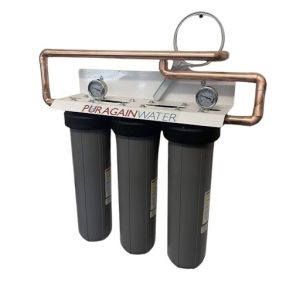 What Is a Water Conditioner?
A
water conditioner is a salt-free system designed to
prevent scale without removing healthy minerals from the water.
Instead of ion exchange, water conditioners use advanced media that
changes the structure of calcium and magnesium, preventing them from bonding and forming hard scale.
Key characteristics:
- No salt
- No backflushing
- No electricity
- No water waste
- Minerals remain in the water
The result is water that behaves differently—reducing scale buildup while preserving mineral content.
Water Softener System vs Water Conditioner
| Feature |
Water Softener System |
Water Conditioner |
| Uses salt |
Yes |
No |
| Removes minerals |
Yes |
No |
| Prevents scale |
Yes |
Yes |
| Water waste |
High |
None |
| Electricity required |
Often |
No |
| Sodium added |
Yes |
No |
| Maintenance |
Ongoing |
Minimal |
| Eco-friendly |
No |
Yes |
Bottom line: Both systems address hard water problems—but water conditioners do so without salt, waste, or ongoing maintenance.
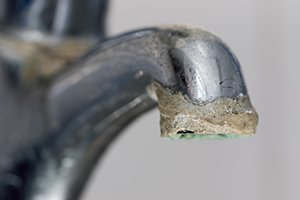 Signs You May Need a Water Softener System—or Conditioner
Hard water symptoms often lead homeowners to search for a water softener system. Common signs include:
- White scale on faucets and showerheads
- Reduced water heater efficiency
- Dry skin and hair
- Spotty dishes and glassware
- Premature appliance failure
Many of these issues can be solved without a traditional softener. A properly designed water conditioner can address scale-related problems while avoiding salt-related drawbacks.
Why Homeowners Are Choosing Water Conditioners Instead
Modern homeowners are increasingly choosing water conditioners because they offer:
- No salt hauling or storage
- No plumbing modifications
- No brine discharge
- Septic-safe operation
- Better environmental profile
- Lower long-term operating costs
For households focused on simplicity, sustainability, and long-term value, water conditioners are often the preferred solution.
 Whole-Home Protection for Appliances & Plumbing
Scale buildup caused by hard water reduces efficiency and shortens the life of:
- Water heaters
- Dishwashers
- Washing machines
- Coffee makers
- Plumbing fixtures
Conditioned water helps:
- Reduce scale accumulation
- Improve energy efficiency
- Extend appliance lifespan
- Lower maintenance and repair costs
This means protection for every appliance—not just better water at the tap.
Lifetime Servicing: A Difference Most Systems Don’t Offer
Most water systems come with hidden long-term costs:
- Replacement parts
- Filter changes
- Service calls
- Maintenance contracts
Puragain Water systems include Lifetime Servicing, ensuring:
- Ongoing system performance
- Professional support
- Long-term peace of mind
A water system should be a permanent solution—not a recurring expense. Lifetime servicing removes uncertainty and protects your investment year after year.
Cost Comparison: Water Softener System vs Water Conditioner
Traditional water softener costs may include:
- Initial equipment and installation
- Monthly salt purchases
- Increased water usage
- Electricity
- Maintenance and repairs
Water conditioner costs typically include:
- One-time installation
- Minimal maintenance
- No salt or water waste
While upfront pricing can be similar, water conditioners often cost less over time.
Which System Is Right for Your Home?
A water conditioner may be ideal if you:
- Want low maintenance
- Prefer salt-free water
- Are environmentally conscious
- Have a septic system
- Want long-term appliance protection
Traditional water softeners may still be appropriate for certain use cases, but they are no longer the only—or best—option for many homes.
Frequently Asked Questions
Is a water conditioner the same as a water softener?
No. A water softener removes minerals, while a water conditioner prevents scale without removing minerals.
Do water conditioners really work?
Yes. They are proven to reduce scale buildup and protect plumbing and appliances.
Does a water conditioner require maintenance?
Very little—especially compared to salt-based systems.
Final Takeaway: Do You Really Need a Water Softener System?
Most homeowners searching for a water softener system are really searching for better water and less damage to their home.
For many, a modern water conditioner delivers those benefits—without salt, waste, or ongoing maintenance—especially when paired with lifetime servicing.
Next Steps
Not sure which system is right for your home? A professional water test can help determine the best solution—without guesswork. Take just a minute to answer some questions for us and we will give you the information for obtaining the water test, as well as a quote for your home.