
Is My Tap Water Safe To Drink?
If you’ve ever poured a glass of water from your kitchen faucet and wondered, “Is my tap water safe to drink?”, you’re not alone. Millions of homeowners ask this exact question every year—and for good reason.
While tap water in the United States is generally treated and regulated, “safe” doesn’t always mean clean, healthy, or free from contaminants.
Since 2013, water utilities’ testing has found pollutants in Americans’ tap water, according to an EWG drinking water quality analysis of more than 31 million state water records.
Enter your info below to find out if your tap water is safe to drink
Complete the following form to find out what contaminants can be found in your city’s tap water. Once you complete the form you will receive the results, along with recommended types of filtration systems may be needed based on the contaminants found in your water supply.
Short Answer: Is Tap Water Safe to Drink?
Yes—tap water is usually considered legally safe, but that doesn’t mean it’s always ideal for drinking.
Municipal water systems must meet standards set by the Environmental Protection Agency (EPA). However, those standards:
Allow certain levels of contaminants
Don’t account for aging pipes in your home
Don’t always address emerging chemicals like PFAS
So while your water may meet legal requirements, it can still contain substances many people prefer not to drink.
What Determines If Tap Water Is “Safe”?
Tap water safety depends on several factors:
1. Your Water Source
Municipal water (city water): Treated at a public facility
Well water: Not regulated by the EPA and must be tested by the homeowner
2. Treatment Methods
Common treatment steps include:
Chlorine or chloramine (to kill bacteria)
Filtration and sediment removal
pH adjustment and corrosion control
These steps protect against harmful pathogens—but they can also introduce chemical byproducts.
3. Your Plumbing System
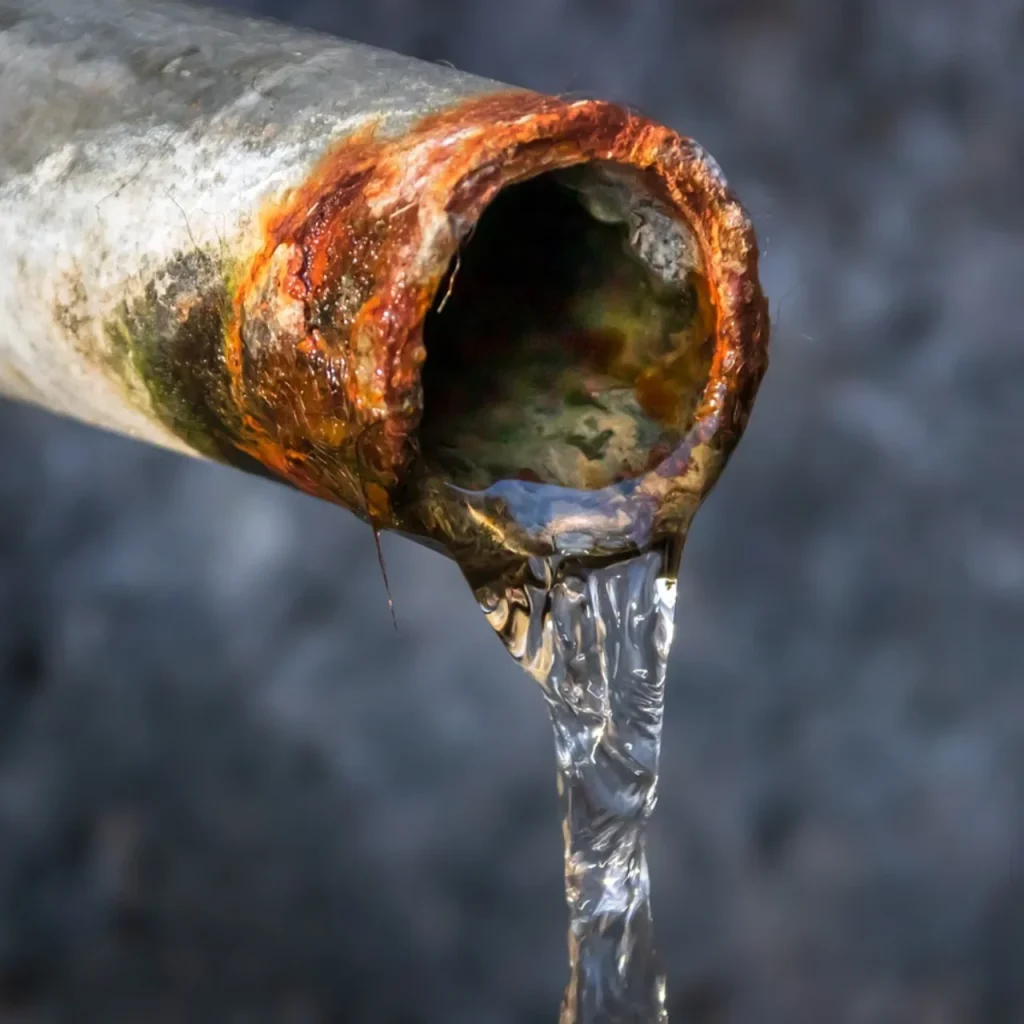
Even if water leaves the treatment plant clean, it can pick up contaminants from:
Old pipes
Lead solder
Corroded fixtures
Sediment buildup
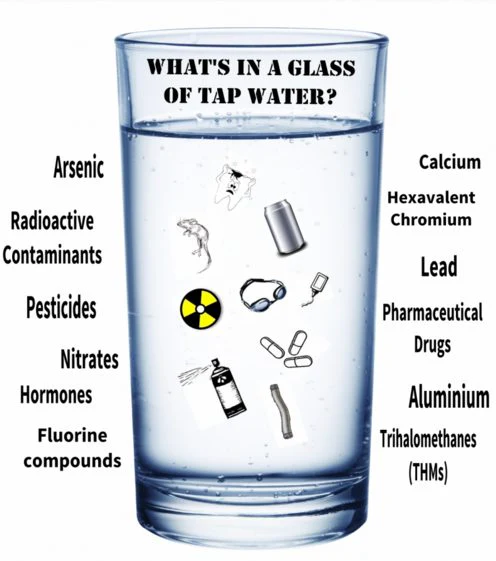
Many people are surprised to learn what can be present in otherwise “safe” tap water:
🔹 Chlorine & Chloramines
Used for disinfection
Can cause unpleasant taste and odor
May form harmful byproducts (THMs)
🔹 Lead
Comes from old pipes, not treatment plants
Especially dangerous for children and pregnant women
No safe level of lead exposure
🔹 PFAS (“Forever Chemicals”)
Linked to cancer and hormone disruption
Found in many water systems nationwide
Not fully regulated yet
🔹 Heavy Metals
Copper, arsenic, mercury
Often introduced through plumbing or groundwater
🔹 Hard Water Minerals
Calcium and magnesium
Not dangerous, but can damage appliances and dry out skin and hair
How Can I Tell If My Tap Water Is Safe To Drink?
Here are the most reliable ways to check:
✔️ Review Your Local Water Quality Report
If you’re on city water, your utility publishes an annual Consumer Confidence Report (CCR). This lists detected contaminants—but keep in mind:
Results are averages
Testing may not reflect water at your tap
✔️ Use a Home Water Test Kit
Test kits can detect:
Lead
Chlorine
Hardness
pH
Nitrates
✔️ Get a Professional Water Test
A lab test or in-home analysis provides the most accurate picture—especially if you’re on well water.
Is Tap Water Safe for Children and Babies?
This is where extra caution matters.
The Centers for Disease Control and Prevention (CDC) warns that infants and young children are more vulnerable to contaminants like lead and nitrates.
If you have children at home:
Avoid water with detectable lead
Be cautious using tap water for formula
Consider filtered water for drinking and cooking
Should I Filter My Tap Water?
For many households, yes.
Water filtration can:
Improve taste and smell
Remove chlorine and chemicals
Reduce heavy metals
Protect against emerging contaminants
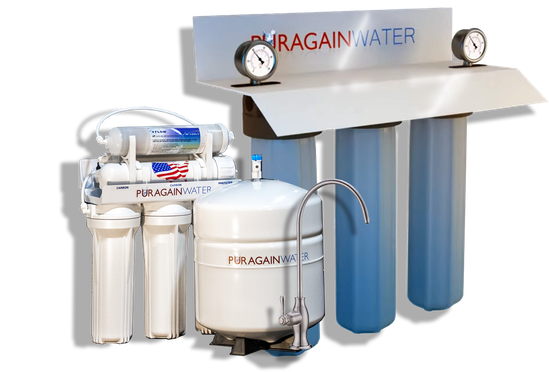
Options range from:
Faucet filters
Under-sink systems
The best solution depends on what’s actually in your water.
Signs Your Tap Water May Not Be Ideal
You may want to investigate further if you notice:
Strong chlorine or chemical smell
Metallic or bitter taste
Cloudy appearance
White scale buildup
Dry skin or hair after showering
Frequent appliance scaling
Final Answer: Is My Tap Water Safe to Drink?
Tap water is usually safe by regulatory standards—but that doesn’t always mean it’s clean, healthy, or optimized for your home.
If you care about:
Long-term health
Taste and odor
Protecting your family
Reducing chemical exposure
…then testing and filtering your water is a smart next step.
Tap Water & Government Standards
Ask your water company if your tap water is safe and they’ll probably tell you it meets all government safety standards.
What they won’t tell you is that many of the studies they’re based on may be out of date.
Or that there simply are no standards for many dangerous chemicals which could cause cancer, brain damage, fertility problems, and more.